Behold, The Sea
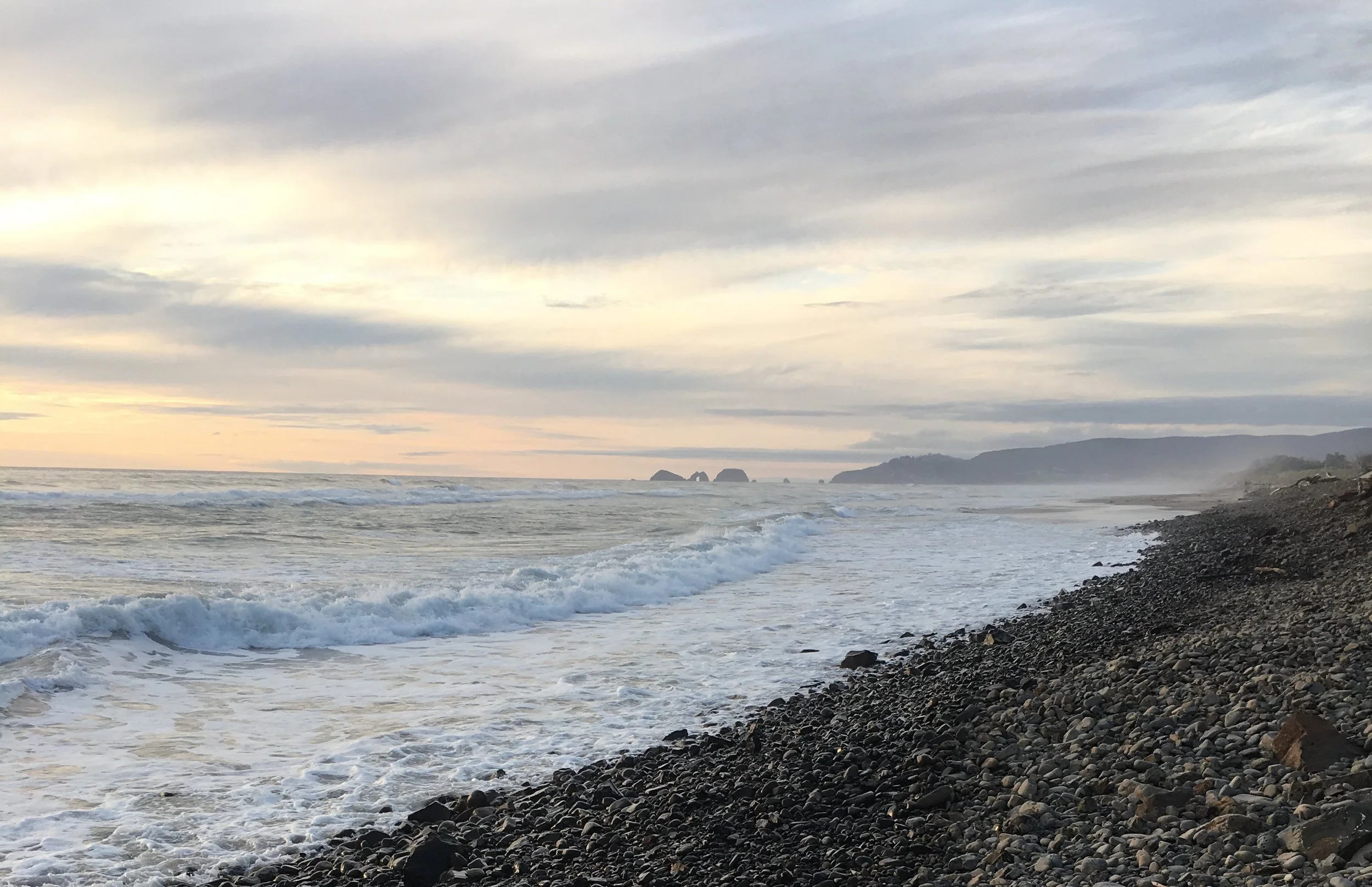
I prefer to consult the ocean in the early morning or at the close of day. Having grown up along the sandy shores of New Jersey, the rumbling of the Atlantic is sometimes more familiar than my own voice. It has been the canvas against which much of my life has been painted. It was the standard against which I measured depth and I challenged Fear.
I have borne witness to its most peaceful stillness and its most apocalyptic rage. It has taught harsh lessons and served as quiet counsel. Emerson has described the sea as “the nourisher of kinds, purger of earth, and medicine of men,” and I am inclined to agree with him.
The Oregon coast is colder, more rugged, and its shores far greener. As yet, I’ve had little experience with the Pacific. Beneath the differences, the smell of the salt air and the sound of the waves has the same power to “wash out harms and griefs from memory.”
In a time where a sense of uncertainty, turmoil, and unbridled hate saturates our news and our discourse, it is more important than ever to come into the peace of wild things.
Let The Gavel Go
One of the first and perhaps most important things I learned in Psychology 101 my freshman year of college was something called the fundamental attribution error. It is an observation that states we are more likely to judge a person on what we perceive to be their character rather than some external factor affecting them in the moment. This is most obvious when we encounter someone who is stressed out and they are showing it.
There is a tendency to jump to the conclusion that this is a mean person instead of considering some basic questions, such as:
Is this person hungry?
Is this person tired?
Is this person in pain?
I find it helpful to remember that what is often interpreted as meanness or hostility is usually some variation of anxiety. How do you feel when you’re hungry or tired or in pain? How do you act? Is it fair for others to judge who you are based on a temporary low energy state?
At one time or another everyone works through an internal struggle that folks on the outside know nothing about. Before dropping the gavel on someone, just ask: could some major stressor be affecting this person’s ability to mindfully communicate in this moment?

Chop Wood, Listen to Water
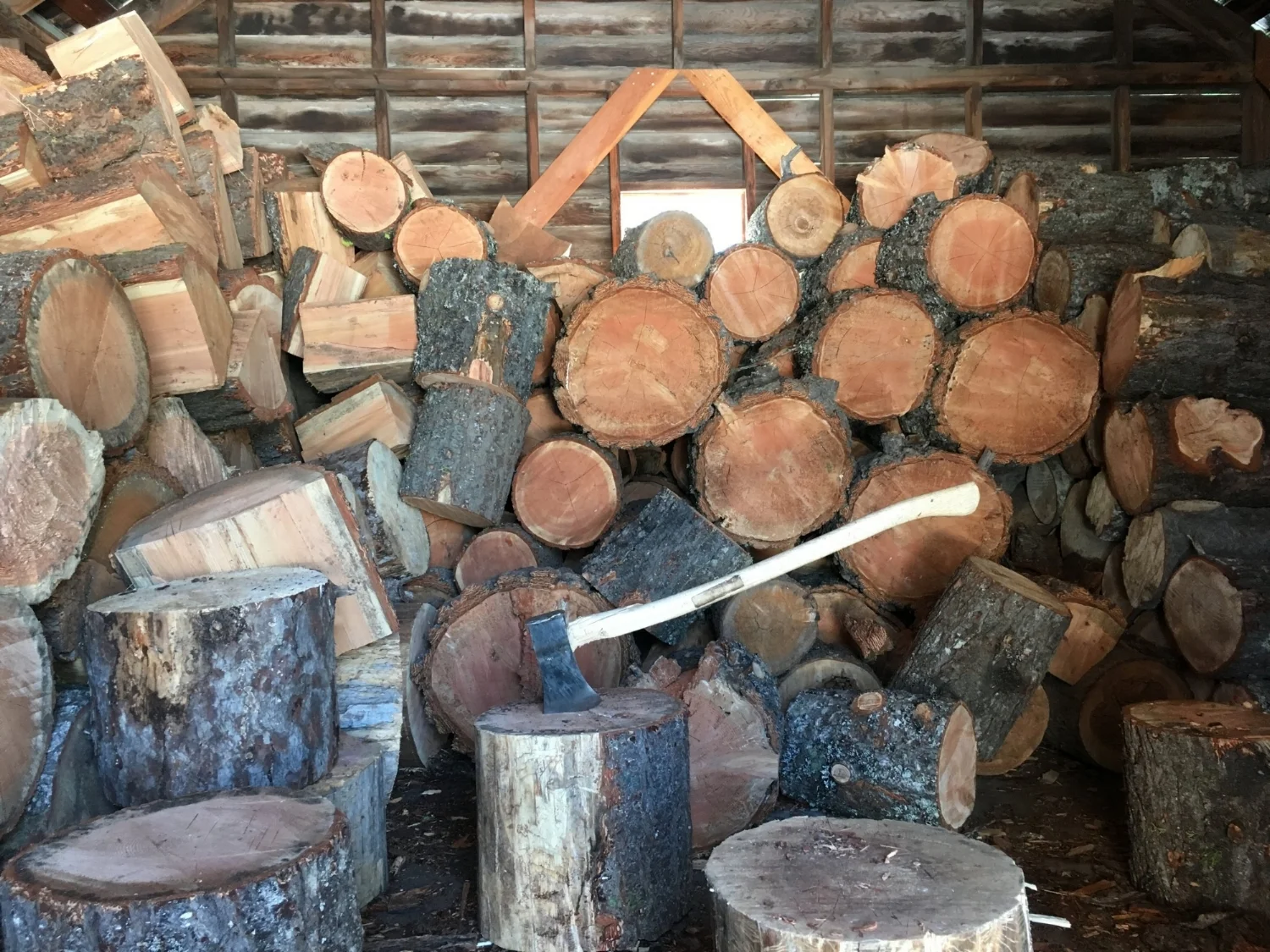
The are few things more satisfying than chopping wood. The swing of the axe, the feel of the strike, the sound and smell of the split. It is an ancient task, and one that requires presence. Considerations of bodily safety, the accuracy and force of the strike, the surrounding environment, and how much wood of what size is needed demand clarity of focus.
There are few things more insightful than taking the time to listen to a mountain stream. In cultivating a stillness, quieting the mind, and allowing the ears to open, we can start to hear what the natural world is saying. This is one way that Nature can teach patience and presence, and remind us that we are not separate from, but a part of the world.
There is a well-known Zen proverb that acknowledges that both before and after Enlightenment we must “chop wood and carry water.” I believe it is meant as a metaphor, reminding us that the true practice comes in performing daily tasks with mindfulness.
I also believe it is essential to sometimes literally go out and chop wood and to take the time to listen to water. In this way, we can cultivate presence in both action and stillness, and remind ourselves of the need for both.