Behold, The Sea
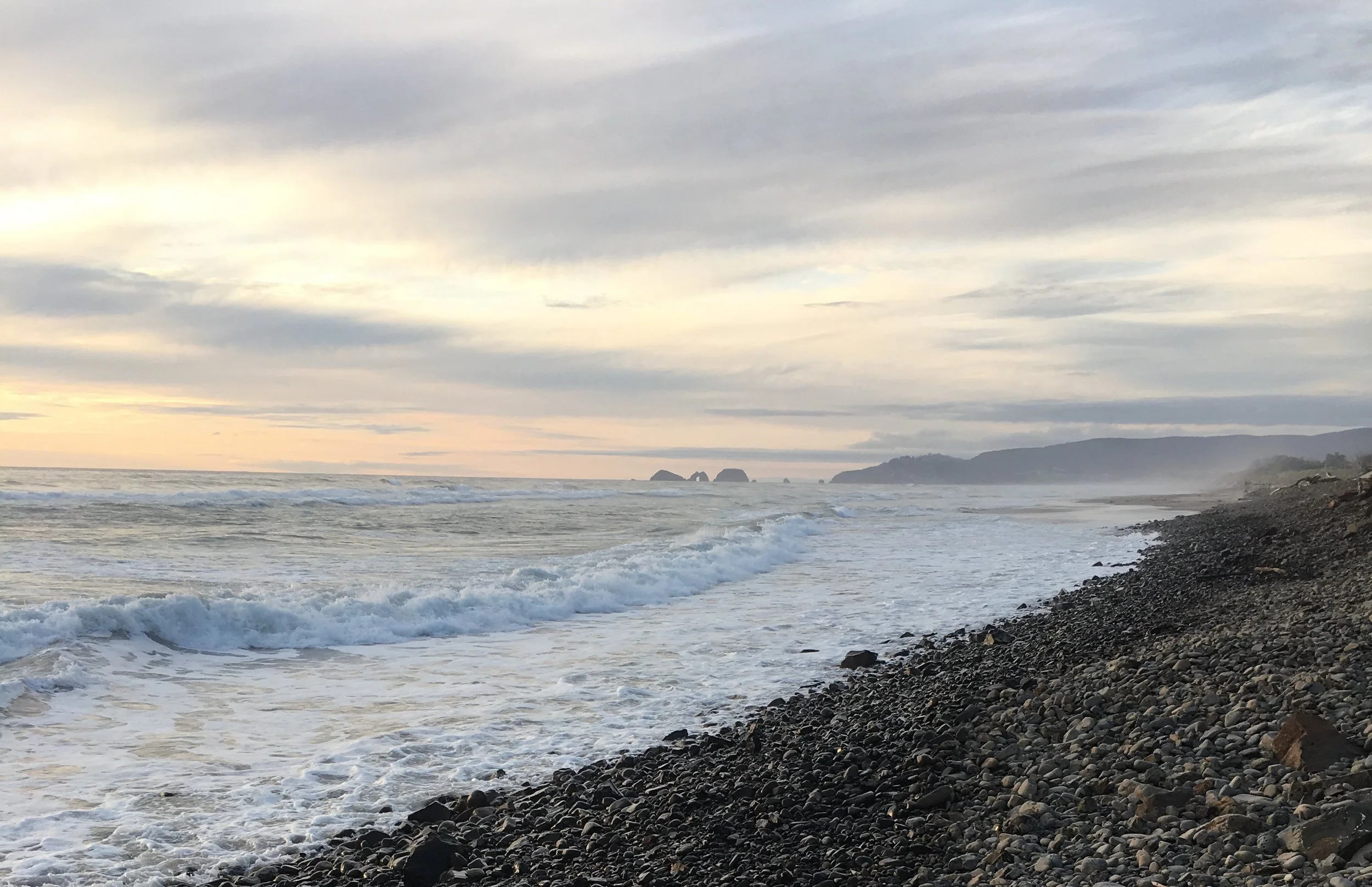
I prefer to consult the ocean in the early morning or at the close of day. Having grown up along the sandy shores of New Jersey, the rumbling of the Atlantic is sometimes more familiar than my own voice. It has been the canvas against which much of my life has been painted. It was the standard against which I measured depth and I challenged Fear.
I have borne witness to its most peaceful stillness and its most apocalyptic rage. It has taught harsh lessons and served as quiet counsel. Emerson has described the sea as “the nourisher of kinds, purger of earth, and medicine of men,” and I am inclined to agree with him.
The Oregon coast is colder, more rugged, and its shores far greener. As yet, I’ve had little experience with the Pacific. Beneath the differences, the smell of the salt air and the sound of the waves has the same power to “wash out harms and griefs from memory.”
In a time where a sense of uncertainty, turmoil, and unbridled hate saturates our news and our discourse, it is more important than ever to come into the peace of wild things.
Proaction or Reaction?
Camping in the Pacific Northwest, especially in Spring, means you expect rain. In addition to preparing for rain, spending an extended period of time outdoors highlights the importance of proaction.
The cumulative benefit of being mindful of small tasks and taking action before you need to cannot be overstated. Things like washing your dishes after dinner so you have clean plates for breakfast, putting the fly on your tent before it starts to rain, bringing dry wood and keeping it dry, and storing food safely to prevent or deter wildlife from noshing your lunch are examples of being proactive. Sometimes you can get away with neglecting these tasks, but how much more stress and effort are experienced when you have to react to predictable events that could put a damper on your trip?
I think, in fact I know, that the same rules apply to self-care.
Doesn’t it make more sense to consistently promote health, to position yourself to be as adaptive as possible to current stressors, and to employ measures now that prepare you for strains that will challenge you in the future?
In my line of work I often encounter folks who are reacting to signs and symptoms, which accompany an interruption in their ability to perform the tasks they need to or want to do. This is the functional definition of pain. I understand this and it is usually the entry point for people to seek help from a healthcare provider. There is nothing wrong or bad about this approach. If, however, you value being able to live a full and healthy life, reaction as a strategy is simply not as effective as proaction - action that initiates positive change.
My work focuses on helping people reorganize the neural patterns that govern whether they react or respond to stress, and how efficiently they can do so. This approach to health and wellbeing is incredibly effective to help people reacting to pain, but it is even more powerful as a proactive tool to add more life to your years.
In closing, be proactive, get outside, and take care of yourself...now.

Ease and Dis-ease
Our experience of life and the world around us is mediated by our senses. Our senses feed this experience to the brain along the channels of the nervous system. The brain then takes that information, processes it, and sends signals back into the body directing the tissues, organs, and organ systems how to respond. When this occurs with coordination and balance, a healthy nervous system adapts to the stresses presented to it. When there is interference with this loop, with the communication between the brain and the body, the ability to coordinate and efficiently respond to stress is reduced. More energy is required to perform the same vital functions. Less energy is available to go above and beyond vital tasks (see: Autonomic NS) and there is a shift from responding to stress to reacting to stress.
Another way to describe this lower energy state is dis-ease. Dis-ease is the precursor - the intermediate step - between health and ill health. It is a state in which there may or may not be pain or symptoms associated with a condition or diagnosis, but the body is exerting excess effort to maintain balance. From a clinical perspective, dis-ease is observable and can be measured by assessing where and how these areas of imbalance are affecting normal, healthy function in the body.
For me, chiropractic offers the invaluable service of supporting people by promoting communication within their bodies. Supporting the health of the nervous system has a positive impact on how folks relate to themselves, their environment, and the stresses of both. As with all relationships, when there is ease, balance, and clarity with communication, life is better.